

We’re sitting down with a cup of coffee, chatting about how fast the real estate landscape is changing here in India. Steel keeps coming up in our conversations, and for good reason. The Indian steel industry is on a massive upward trajectory, projected to grow at a 7% CAGR and reach 190 million tonnes by 2030. Within that massive number, the market for steel from top-tier TMT bar manufacturers already sits between INR 130,000 and 140,000 crore, pushed forward by our collective housing dreams and infrastructure needs. For developers like us, who think long-term, the material choices we make today are quietly deciding tomorrow’s success stories.
Building near the coast just isn’t as simple as inland construction. That salty air, humidity, and constant moisture are environmental factors that never take a day off. That’s exactly where Corrosion Resistant Steel (CRS) TMT bars start to make perfect sense. They’re specifically built to handle those tough, aggressive environments without demanding constant repairs. Developers really like them because they reduce those nagging structural headaches over time and genuinely help our projects age gracefully, even when the coastal weather isn’t playing nice.
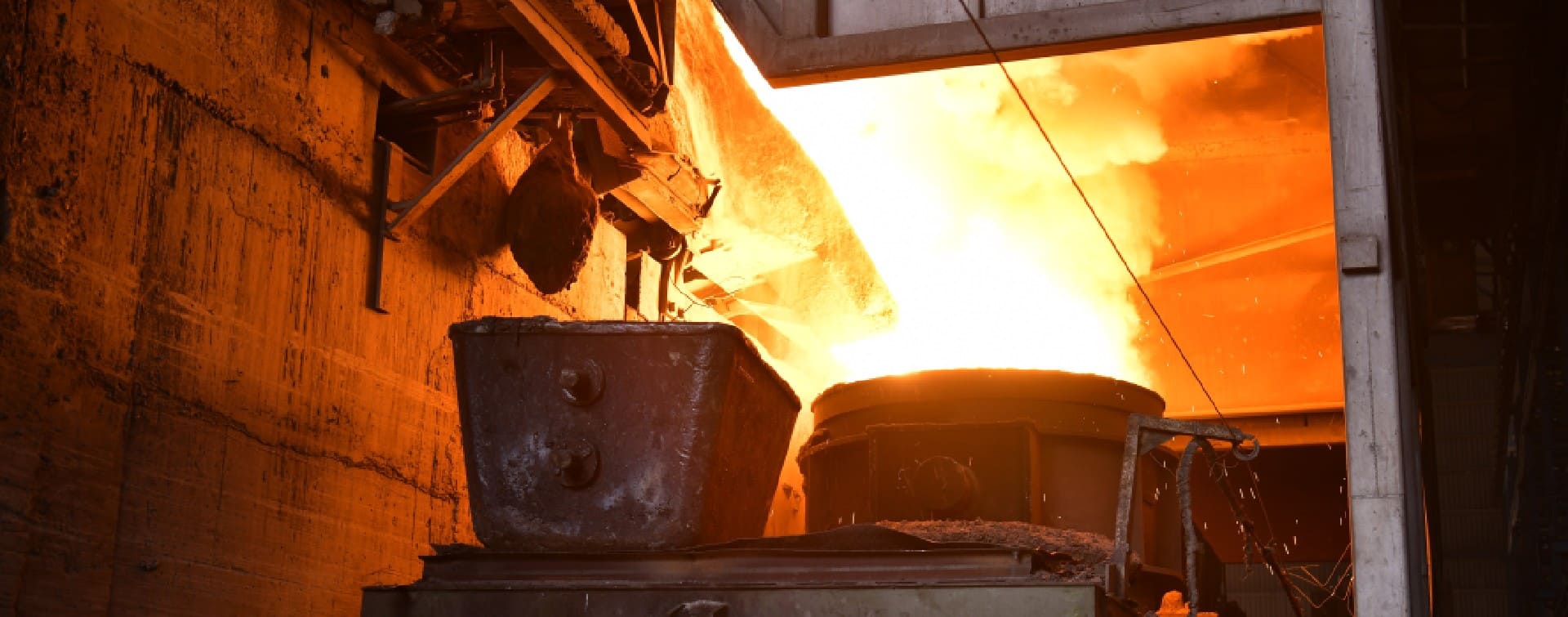
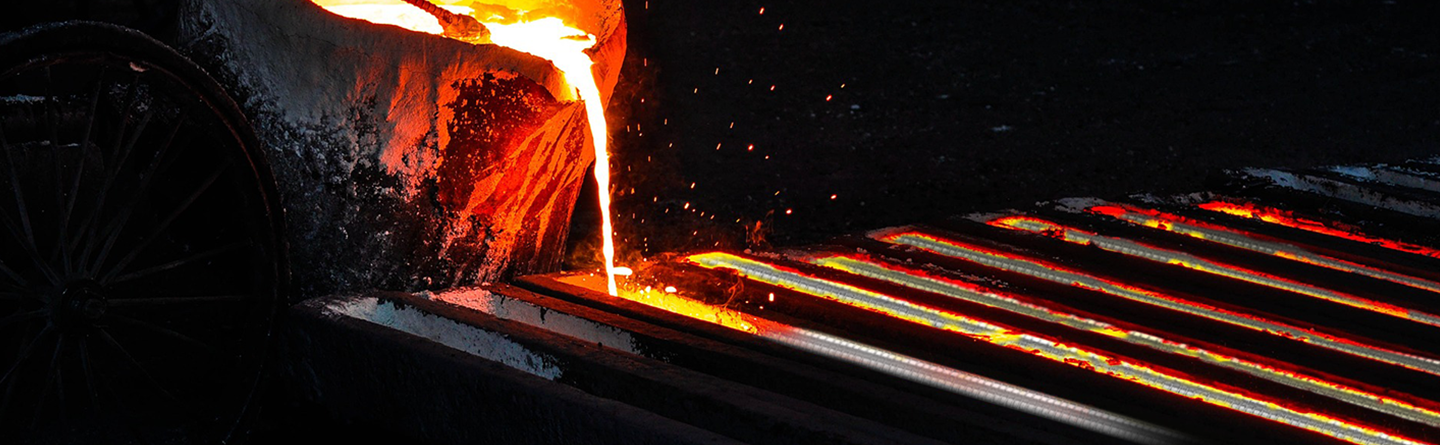
Let’s break down the tech without getting bogged down in jargon. CRS TMT bars manufacturers in India go through a clever, controlled rolling and cooling process that strengthens the outer layer while keeping the inner core super flexible. That specific balance really matters on actual construction sites where our buildings face stress, movement, and changing loads every single day. The result is reinforcement steel that behaves predictably and holds up incredibly well. With India consuming over 50 million tonnes of TMT bars in FY23, up from the year before, it’s clear we builders are trusting this category more and more each year.
Coastal projects simply demand materials that won’t complain every monsoon season. These bars handle those moisture-heavy conditions with surprising ease, keeping the reinforcement strong and stable for decades. That kind of reliability really helps developers avoid frequent maintenance checks and, let’s be honest, those uncomfortable conversations with new buyers later on when rust stains start to appear.
Salt exposure is a quiet threat; it can silently eat into ordinary steel, compromising our work. These bars stand up much better against corrosion, even when the air carries moisture day and night. That built-in resistance keeps the core structure healthier, especially in those seaside apartments, luxury hotels, and commercial spaces that face constant environmental stress. Choosing them feels like choosing the best TMT bar for house construction in a challenging climate.
Nobody wants to put their name on a building that starts showing weakness too soon. These bars genuinely help our structures stay dependable for decades. With domestic manufacturers producing record amounts of TMT bars recently, it’s clear our entire industry backs long-lasting reinforcement as a smart investment, not just a luxury upgrade. We’re all in this for the long haul.
They may not always look like the absolute cheapest option on day one’s invoice, but they save money exactly where it counts. Fewer repairs, less corrosion-related damage, and a lower replacement risk all add up significantly. Over time, we developers often realize the overall cost stays under control while the asset value stays strong. It’s smart, responsible business.
Think about it: our buildings “breathe.” They shift ever so slightly and constantly respond to loads. These bars manage that natural movement beautifully without cracking under pressure. High tensile strength paired with excellent flexibility gives structures the ability to absorb stress, which becomes especially useful during a rare seismic activity event or those heavy coastal winds we experience.
Consistency is everything when you’re pouring concrete across multiple floors or different project phases. The leading TMT bar manufacturers in India ensure that every single batch delivers uniform performance. This means our engineers don’t need to second-guess their calculations; that steady quality makes project planning smoother and helps us avoid unpleasant surprises during those critical municipal inspections.
They work really well alongside all our modern concrete mixes, coatings, and other reinforcement systems we commonly use today. This great compatibility keeps our construction workflows simple and helps us avoid those last-minute adjustments that can totally slow down timelines or spike our labor costs. It’s just simple integration.
When standing at a crossroads deciding between CRS and ordinary bars, it helps to look at the real-world impact on a project. Think of it like choosing a high-quality raincoat versus a cheap windbreaker. Both look fine on a sunny day, but only one keeps the wearer dry when the storm actually hits.
A Lifespan That Actually Lasts:
If a project is located in a tough environment, CRS TMT bars are in a completely different league. They typically offer a lifespan that is two to three times longer than what conventional bars provide. This isn’t just about a few extra years. This is about decades of added structural health that keeps a building standing tall while others might start showing their age.
Serious Rust Resistance:
Everyone knows how quickly rust can compromise a project. Because of a specialized chemistry, these bars bring about 25% to 50% higher rust resistance to the table compared to standard TMT. That is a massive safety net when dealing with the constant humidity and salty air of a coastal city.
The Reality of the Price Tag:
Let’s talk numbers. There is usually a slightly higher upfront cost, usually around 5% to 10% more than ordinary steel. However, when looking at the big picture of a building’s life, that small initial bump is a drop in the bucket. A developer will more than make up for it with significantly lower long-term maintenance expenses. By choosing the best tmt bar for house construction or large-scale commercial work now, a builder is essentially pre-paying for peace of mind and avoiding those massive repair bills down the road.
When you step back and look at the bigger picture, choosing our reinforcement isn’t just a technical call; it’s a major business one. Government focus on quality and sustainable infrastructure continues to push demand for better steel solutions. With rising consumption and production numbers, we developers clearly want materials that stand the test of time. Making thoughtful choices today helps our projects stay safe, durable, and truly valuable long after the ribbon-cutting ceremony ends.
1. Are CRS TMT bars suitable only for coastal areas?
Not at all! They perform incredibly well in all environments, but their superior resistance to moisture is what makes them especially useful near the coast.
2. Do these bars increase construction costs significantly?
Initial costs might be a little higher, but the reduced maintenance burden over decades almost always balances things out over the project lifecycle.
3. How do they behave during earthquakes?
They are engineered to be strong yet flexible. Their inherent strength and flexibility help structures absorb stress instead of cracking suddenly during seismic events.
4. Can they be used in high-rise projects?
Yes, absolutely. Many developers prefer them for taller buildings precisely because of their predictable and reliable performance under heavy loads.
5. Are they compatible with modern concrete mixes?
They integrate smoothly with all the commonly used concrete grades and additives we rely on today. No compatibility issues here!
6. Why is demand for TMT bars rising in India?
A big mix of factors! Government infrastructure projects, increasing housing demand, and a general push for higher quality construction standards are all driving the growth.
7. Do they require special handling on-site?
Nope! Standard storage and handling practices are totally enough, which keeps our site operations simple and straightforward.