

Picture us catching up over coffee, talking about why some buildings still look solid after decades while others seem to age way too fast. Somewhere in that chat, we’d eventually land on reinforcement steel, especially the 550d TMT grade. It isn’t just another line item on a budget or a heavy bar on a price list. Its unique blend of strength, ductility, and rust resistance comes from a very specific, carefully engineered journey through the factory. Once you see how these bars are made, you’ll understand why so many builders are moving beyond a standard 500d TMT bar when they want a structure to last a lifetime.
Most of us focus on grades and market rates, but the real magic happens inside the mill. Steel doesn’t become reliable by accident. Every heating cycle and cooling stage decides how that bar will behave twenty years from now when it is buried deep inside your concrete pillars. CRS (Corrosion Resistant Steel) bars go through a specialized thermo-mechanical treatment that perfectly balances chemistry and heat. When they get that balance right, you get steel that quietly supports your home through humidity and stress without ever asking for a second thought.
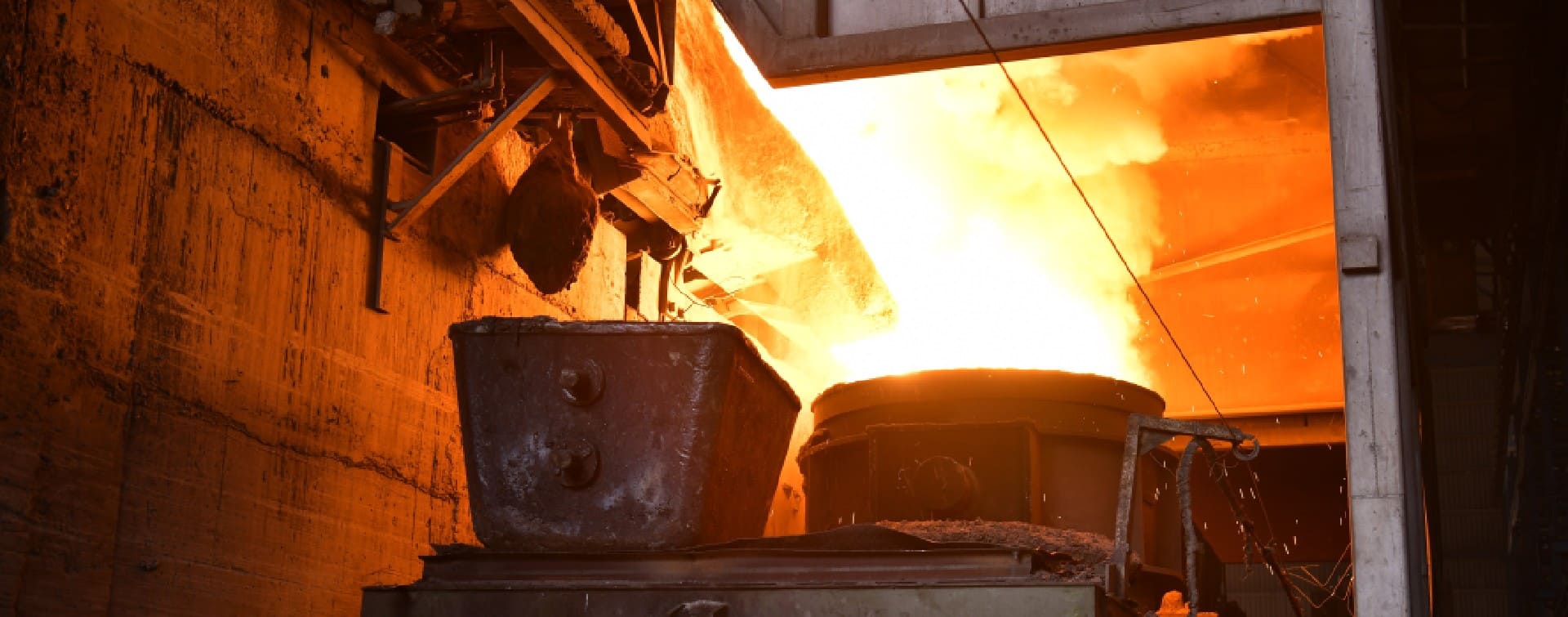
Everything starts with high-quality raw materials like iron ore, coal, and limestone. To create a true CRS bar, manufacturers add small but vital alloying elements like copper, chromium, and nickel during the melting phase. These aren’t just additives; they are the secret sauce that helps the steel fight off rust in the real world. Melt everything down in massive furnaces where they keep the temperature and the chemical recipe under incredibly tight control from the very first minute.
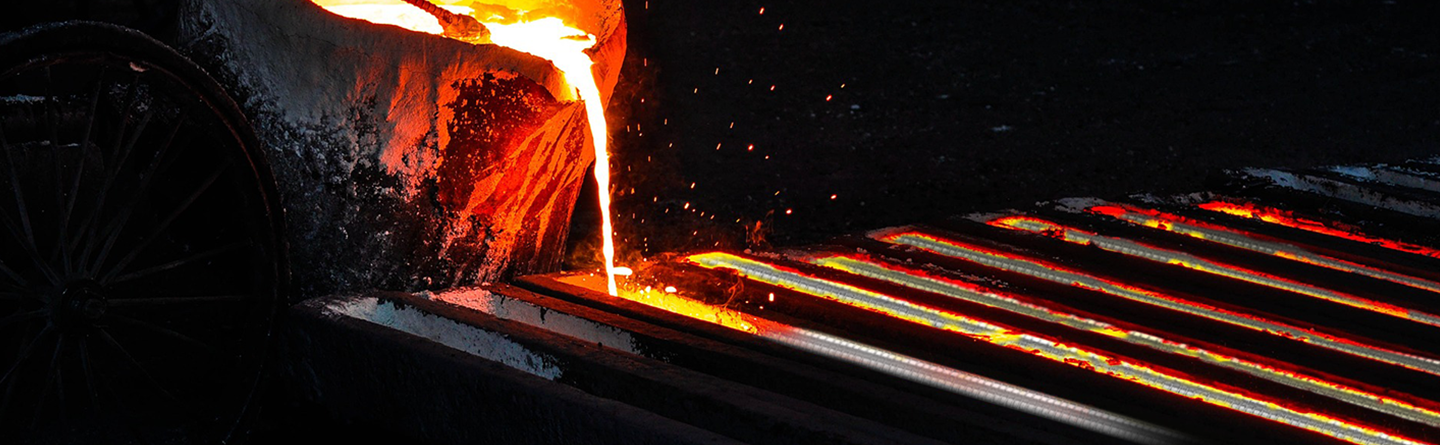
Once the steel is molten, refine it to strip away impurities like sulfur and phosphorus. Keeping these levels low is crucial for that “D” (ductile) performance you want in a 550d TMT bar. After the liquid steel is pure, it flows into a continuous casting machine that shapes it into solid rectangular blocks called billets. These billets are the foundation for everything that follows, so they make sure they are consistent and flaw-free before moving forward.
They push those billets into reheating furnaces until they glow at temperatures between 1100 and 1200 degrees Celsius. The steel is now sufficiently malleable to be shaped. The blazing metal is guided through a sequence of rollers that progressively stretch it out and etch those recognizable ribs into its surface. At this point, the steel finally resembles the reinforcement bars found on building sites, but it hasn’t yet acquired superpowers.
This is where the bar truly earns its reputation. As the hot bars exit the mill, pass them through a high-pressure water spray system for rapid cooling. This quenches the outer surface, hardening it instantly into a tough structure while the inner core stays red-hot. When they stop the water, the heat from the core moves outward, tempering that hard outer layer. This creates a unique sandwich effect: a hard, protective exterior and a soft, flexible core that can bend without breaking.
After the bars cool naturally on a bed, they cut them into standard lengths and head to the lab. They make sure the yield strength hits that 550 N/mm² mark and perform bend and rebend tests to ensure the steel is flexible. For CRS bars, they also run corrosion resistance checks to prove they can handle salty air or damp soil. Only the batches that pass every single test get sent out to reputable TMT bar suppliers for use in your project.
I know that when you are building a home, you have to keep a very close eye on the wallet. In the current market, the cost of CRS 550d TMT bars in India usually ranges between ₹49 and ₹70 per kilogram. In the grand scheme of things, that amounts to between ₹49,000 and ₹70,000 per tonne. These costs are subject to change depending on your city, the brand you choose, and even the thickness of the bars you require.
For instance, if you look at ARS 550D, it often sits around ₹63,000 per tonne. If you check out JSW, you might find prices falling anywhere between ₹49,000 and ₹61,000 per tonne. Then you have premium names like Jindal, which can reach close to ₹70,000 per tonne depending on where you are building. It is always a smart move to chat with a few different TMT bar suppliers to see who can give you the best deal for your specific location.
You may initially notice that CRS bars are slightly more expensive than a standard 500d TMT bar. But the numbers quickly change when you take into account the absence of rust problems, the decreased need for future maintenance, and the longer life of your house. Most developers eventually realize that they save far more money by avoiding structural repairs than they ever spent on the initial steel. Choosing quality early on is the best way to protect your wallet and your peace of mind.
The numbers in the name tell a real story. The 550 represents high strength, while the “D” highlights the improved ductility that allows the bar to stretch during an earthquake instead of snapping. When you compare this to a standard 500d TMT bar, the CRS version performs much better in moisture-heavy environments where rust usually eats away at ordinary steel. It is a difference that shows up years down the line, ensuring your ceilings don’t crack and your pillars stay strong.
When you look at the full manufacturing journey, picking a high-grade CRS bar feels less like a luxury and more like a very smart, practical decision. Every stage of the process adds a layer of protection that will serve you long after the paint has dried and the move-in boxes are unpacked. This steel isn’t just shaped by heavy machinery; it is engineered for the real-world challenges your home will face. For any project built to last for generations, the choice becomes pretty clear.
1. Why does this steel resist rust so well?
They mix in specific elements like copper and chromium while the steel is still liquid, which creates a natural shield against oxidation.
2. Can I use this for a house near the beach?
Absolutely. It is actually designed for humid and salt-heavy environments where standard steel would struggle.
3. Does the extra strength make it brittle?
Not at all. The special cooling process ensures the core stays flexible while the outside stays strong, giving you the best of both worlds.
4. Can I swap out my old steel for these bars?
Yes, you can use them in any project where you want better durability and a longer lifespan for the structure.
5. How do I find the best quality?
You should always look for TMT bar suppliers who follow strict national standards and can provide test certificates for every batch they deliver.